

Last Updated: December 8, 2025
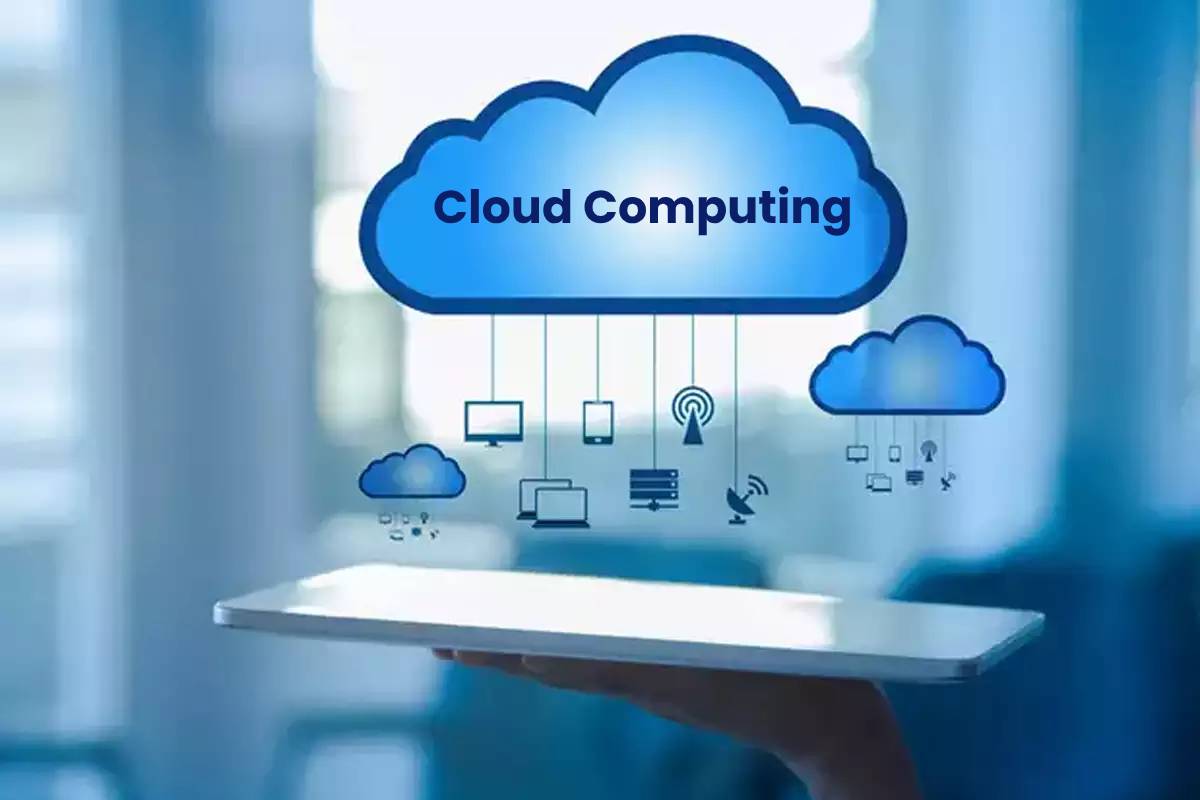
In principle, cloud computing refers to the dynamic, on-demand delivery of applications and IT resources over a network—most commonly the Internet. Instead of buying and maintaining physical hardware, businesses can access computing power, storage, platforms, and software through remote data centers managed by specialized providers.
These cloud services are typically billed through a subscription model or by usage-dependent pricing—the familiar pay-per-use system. This offers companies greater flexibility, efficiency, and cost control compared to traditional IT setups.
Today, the global cloud landscape is dominated by major providers such as Amazon Web Services (AWS), Microsoft Azure, and Google Cloud, whose services support millions of businesses worldwide.
Table of Contents
The Service Models of Cloud Computing
According to the well-established definitions provided by the National Institute of Standards and Technology (NIST) in 2009 and 2011, cloud computing consists of three core service models:
- Infrastructure as a Service (IaaS)
This model gives users access to virtualized IT infrastructure—servers, networks, storage, and data center space. Businesses rent these resources instead of buying and maintaining their own equipment.
- Platform as a Service (PaaS)
With PaaS, cloud providers offer platforms that include servers, storage, databases, and development tools. This environment enables developers to build, test, deploy, and manage applications faster and with less complexity.
- Software as a Service (SaaS)
SaaS delivers software applications over the Internet on a subscription basis. The provider hosts and manages everything—servers, security, updates, and maintenance—allowing users to access applications anytime from any device.
Deployment Models in Cloud Computing
NIST also describes four primary cloud deployment models, which define how the cloud services are hosted and who has access:
- Public Cloud
Services are delivered over the public Internet and are available to anyone. It’s cost-effective and highly scalable.
- Private Cloud
A cloud environment dedicated entirely to a single organization. It offers enhanced control, customization, and security.
- Hybrid Cloud
A combination of public and private cloud infrastructures working together. Hybrid clouds allow businesses to optimize workloads based on cost, flexibility, and security needs.
- Community Cloud
A shared cloud infrastructure used by organizations with common goals, industries, or compliance requirements.
Modern Cloud Variations
Over time, several hybrid or mixed-type cloud models have emerged, offering even more tailored solutions:
- Virtual Private Cloud (VPC): A private environment within a public cloud.
- Multi-Cloud: The use of multiple cloud providers to avoid vendor lock-in and enhance performance.
- Cloud-Based Workflow Tools: Solutions that automate business processes, integrate seamlessly with multiple cloud environments, and improve team collaboration.
These innovations demonstrate how flexible and diverse cloud computing has become.
Main Categories of Cloud Computing
The core categories—IaaS, PaaS, and SaaS—form the foundation of all cloud-based services. Together, they create a scalable ecosystem that supports both small businesses and large enterprises.
What Are the Advantages of Cloud Computing?
Cloud computing brings a wide range of benefits that have fundamentally transformed how businesses manage IT:
- Flexible and Scalable Resources
Organizations can instantly increase or decrease storage, computing power, and other resources based on demand.
- Cost Savings and Efficiency
Businesses pay only for what they use. Large providers deliver economies of scale, reducing costs compared to traditional IT infrastructure.
- No Upfront Investment
There is no need to purchase expensive servers or data centers. The provider takes care of hardware and infrastructure, significantly reducing capital expenditure.
- Increased Speed and Agility
Cloud environments enable rapid deployment of applications, allowing teams to innovate and experiment at lower risk and cost.
- Global Accessibility
Cloud applications can be launched in multiple global regions within minutes. This allows companies to reach customers worldwide faster and more efficiently.
- Reduced Maintenance
No need for internal teams to manage server maintenance, security patches, or system updates—providers handle it all.
- Improved Collaboration and Workflow
Cloud-based tools enhance team productivity, enabling real-time communication, collaboration, and workflow automation.
Additional Benefits Worth Highlighting
Enhanced Security and Compliance
Major cloud providers invest heavily in security technologies, encryption, and compliance certifications, often exceeding the security levels of traditional IT setups.
Disaster Recovery and Backup
Cloud solutions simplify data backup and recovery, ensuring business continuity even in the event of hardware failures or cyberattacks.
Environmental Sustainability
Shared infrastructure and optimized resource use make cloud computing more energy-efficient, contributing to sustainability and reduced carbon emissions.
Continuous Innovation
Cloud providers regularly roll out new tools, AI features, analytics platforms, and automation capabilities, giving organizations access to cutting-edge technologies.