

Last Updated: December 16, 2025
Wireless is one of those words we throw around all the time. Wi-Fi. Wireless earbuds. Wireless charging. Wireless internet. It’s everywhere. But if someone actually stopped you and asked, “Okay, but what does wireless really mean?” — most people would pause.
I know I would’ve, not that long ago.
I used wireless tech daily without ever thinking about how it worked or why it mattered so much. I just expected it to work. And when it didn’t, I got annoyed without really understanding why.
So let’s talk about wireless in a way that makes sense — not the textbook version, not the over-technical one. Just real explanations, like you’d hear in a normal conversation.
Table of Contents
What Wireless Actually Means (No Fancy Language)
At the most basic level, wireless means sending information without using physical cables.
That’s it.
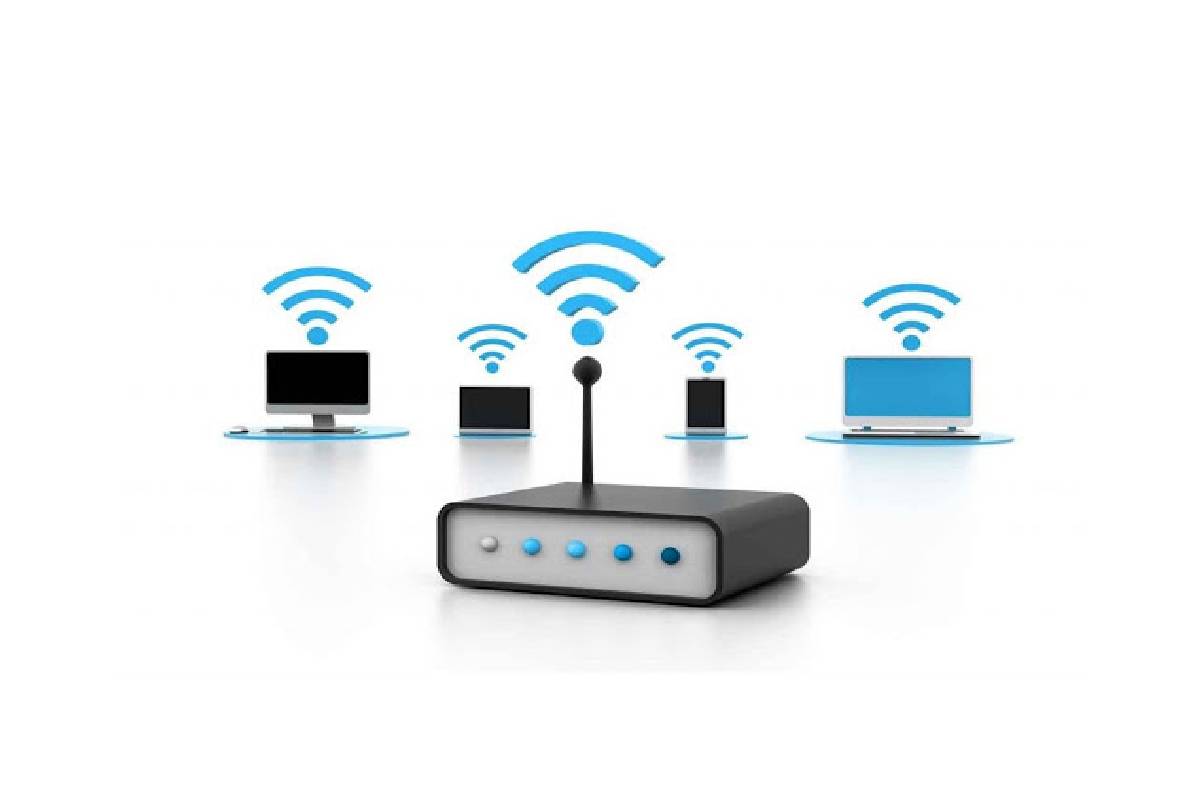
Instead of data traveling through wires, it moves through the air using signals. Your phone, laptop, earbuds, router — they’re constantly sending and receiving those signals without you seeing any of it.
If you’re reading this on your phone right now, there’s a good chance wireless is the only reason you can.
Why Wireless Even Exists
Cables work fine — until they don’t.
They limit where you can sit, how you move, and how many devices you can connect. Anyone who’s ever untangled a mess of wires behind a desk knows exactly what I mean.
Wireless was created to solve a simple problem:
People want to connect without being stuck in one place.
And once that problem started getting solved, everything else followed.
The Wireless Tech You Use Every Day (Even If You Don’t Think About It)
When people hear “wireless,” they usually mean one of these.
Wi-Fi
This is the big one.
Wi-Fi connects your devices to the internet inside a certain area — your home, office, or favorite coffee shop. It’s fast, easy, and handles most of what we do online.
When Wi-Fi works well, you don’t notice it at all. When it doesn’t… you definitely do.
Mobile / Cellular Wireless
This is what keeps your phone connected when Wi-Fi isn’t around.
Cell towers pass your data from place to place as you move. That’s how you can stream music, use maps, or send messages while driving or walking around town.
Bluetooth
Bluetooth handles short-distance connections.
Things like:
- Headphones
- Speakers
- Keyboards
- Smartwatches
It’s not built for speed or distance — it’s built for convenience.
Wireless Charging
Instead of plugging in a cable, your phone charges through a charging pad using electromagnetic energy. Slower than wired charging, but easier when you’re tired of cords.
How Wireless Works (The Human Version)
Here’s the simple explanation I wish I heard earlier:
- One device sends out a signal
- That signal travels through the air
- Another device catches it
- The information gets translated
All of this happens in fractions of a second.
Behind the scenes, yes, there are frequencies, protocols, and security layers — but you don’t need to understand all that to understand wireless.
Why Wireless Took Over So Fast
Wireless didn’t replace cables overnight. But once people realized how much freedom it gave them, there was no going back.
Wireless means:
- No being tied to a desk
- Fewer broken connectors
- Easier setups
- Cleaner spaces
Once you experience that, cables start to feel like a hassle.
Is Wireless Always Better Than Wired? Not Really
This part surprises some people.
Wireless is convenient — but it’s not perfect.
Where wireless shines
- Mobility
- Easy expansion
- Fewer physical limits
Where wired still wins
- Faster, more stable speeds
- Less interference
- Lower latency
That’s why:
- Gamers still use Ethernet
- Offices wire important systems
- Data centers rely on cables
Wireless is great — just not always the best tool for every job.
Why Wireless Sometimes Feels Unreliable
If you’ve ever asked, “Why is my internet slow when I’m right next to the router?” — welcome to the club.
Wireless signals can be affected by:
- Walls and floors
- Distance
- Other devices
- Interference from nearby networks
Wireless isn’t magic. It still obeys physical rules, even if it feels invisible.
How Wireless Changed Everyday Life
This is the part that really hits home.
Wireless made things like this normal:
- Working from anywhere
- Streaming on the go
- Smart homes
- Wearable health tech
- Always-connected devices
Try imagining modern life without wireless. It’s hard.
Wireless and Security (What People Worry About)
Because wireless signals travel through the air, people worry about security — and that’s fair.
Wireless itself isn’t dangerous. Poor setup is.
Good habits matter:
- Strong passwords
- Modern encryption
- Avoiding public Wi-Fi for sensitive stuff
- Keeping devices updated
Most wireless problems come from neglect, not the technology itself.
Wireless and the Internet Are Not the Same Thing
This trips people up.
Wireless connects your device to a network.
The internet is the network itself.
Behind most wireless setups, there’s still:
- Fiber
- Cable
- Infrastructure
Wireless just handles the final connection between you and that system.
Wireless and Smart Devices
Smart homes wouldn’t exist without wireless.
Lights, cameras, speakers, thermostats — all of them rely on wireless signals to communicate. Without it, “smart” tech wouldn’t be smart at all.
Internal Topics You Can Link to
This content naturally connects to:
- What is Wi-Fi
- How the internet works
- Wireless vs wired networks
- Home network security
- Smart home basics
Where Wireless Is Headed Next
Wireless isn’t slowing down.
We’re seeing:
- Faster mobile networks
- More connected devices
- Better signal management
- Lower delays
Cables aren’t disappearing — but wireless will keep taking on more of the everyday load.
Final Thoughts on Wireless
Wireless isn’t just a convenience anymore. It’s the backbone of how we communicate, work, and live.
When it works, you don’t think about it.
When it fails, everything stops.
Understanding wireless — even at a basic level — helps you make better decisions and troubleshoot problems without frustration.