


Table of Contents
Introduction
In today’s digital-first world, customers don’t just buy products—they buy trust. A 2025 study shows 81% of consumers need to trust a brand before purchasing .
Before making a decision, they research brands, read reviews, compare options, and evaluate credibility. If your business doesn’t appear trustworthy, you lose customers—even if your offering is better than competitors.
That’s why business credibility has become one of the most important factors for growth, conversions, and long-term success.
What is Business Credibility? (Quick Answer)
Business credibility is the level of trust, reliability, and authenticity a business earns from its customers and audience. It reflects how consistently a company delivers on its promises, maintains transparency, and provides value over time.
What is Business Credibility?

Business credibility refers to how believable and trustworthy your business appears in the eyes of customers, partners, and stakeholders.
A credible business:
- Keeps its promises
- Provides consistent quality
- Communicates honestly
- Demonstrates expertise
It is not built through marketing claims alone—it is earned through real actions, customer experiences, and long-term consistency.
Why Business Credibility Matters
Business credibility directly impacts your revenue, reputation, and growth.
- Builds Trust Instantly: Customers prefer brands they feel safe buying from. Trust reduces hesitation.
- Increases Conversions: A credible website or brand can significantly improve conversion rates.
- Studies show that over 80% of consumers need to trust a brand before purchasing. This aligns with findings from the
Edelman Trust Barometer, which highlights how trust directly influences consumer decisions and brand loyalty.
- Strengthens Brand Reputation: Credible businesses attract positive reviews, referrals, and organic growth.
- Drives Customer Loyalty : Trust leads to repeat purchases and long-term relationships.
- Improves SEO Rankings: Search engines prioritize trustworthy, authoritative content aligned with E-E-A-T (Experience, Expertise, Authority, Trustworthiness) principles.
Key Elements of Business Credibility
To build strong credibility, focus on these foundational pillars:
- Transparency
Clearly communicate pricing, policies, and expectations.
- Consistency
Deliver the same quality experience across all touchpoints.
- Social Proof
Use:
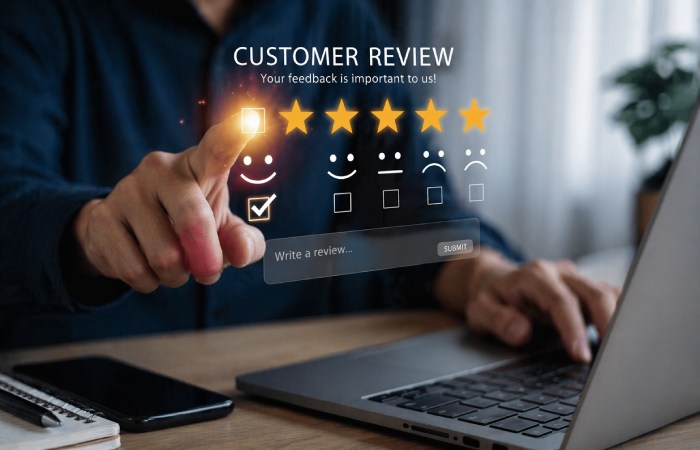
- Customer reviews
- Testimonials
- Ratings
- Case studies
- Expertise & Authority
Publish helpful, accurate content that demonstrates industry knowledge.
- Professional Online Presence
A modern, fast, and secure website builds immediate trust.
- Customer Experience
Quick responses and helpful support strengthen relationships.
Types of Business Credibility
- Brand Credibility
Overall trust in your brand image.
- Product Credibility
Reliability and quality of your offering.
- Digital Credibility
Trustworthiness of your online presence.
- Personal Credibility
Trust in founders, leaders, or representatives.
How to Build Business Credibility (Proven Strategies)
- Create High-Quality, Helpful Content
Answer real customer questions and solve problems.
- Showcase Real Reviews & Testimonials
Authentic feedback builds instant trust.
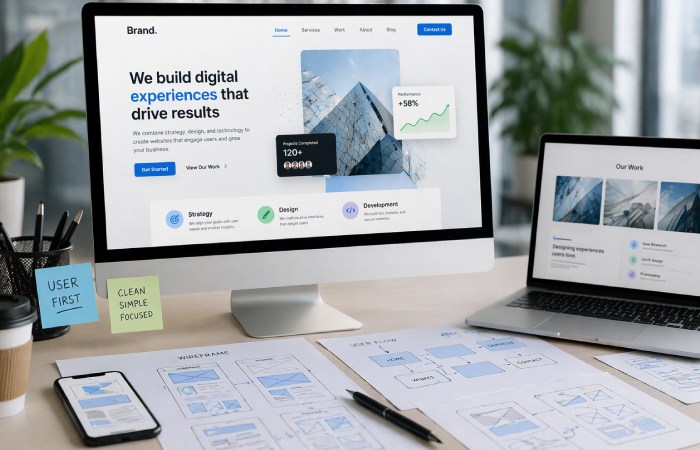
- Optimize Your Website
Ensure your site is:
- Fast-loading
- Mobile-friendly
- Secure (HTTPS)
- Easy to navigate
- Maintain Consistent Branding
Use the same tone, visuals, and messaging everywhere.
- Highlight Certifications & Achievements
Awards, partnerships, and credentials boost authority.
- Provide Excellent Customer Support
Fast and helpful responses improve trust.
- Use Case Studies
Show real results and success stories.
- Be Honest and Authentic
Avoid exaggerated claims—authenticity wins long-term.
Real-World Examples of Business Credibility (Information Gain)

Apple
Apple builds credibility through consistent product quality, design excellence, and strong brand trust.
Amazon
Amazon earns credibility with fast delivery, easy returns, and customer-first policies.
Small Businesses
Local businesses gain credibility through:
- Google reviews
- Word-of-mouth
- Personalized service
Example: A local service provider with 100+ positive reviews is more trusted than a competitor with none.
Common Mistakes That Destroy Credibility
Avoid these credibility killers:
- Fake or misleading claims
- Ignoring negative reviews
- Poor website design
- Inconsistent branding
- Lack of transparency
- Slow customer support
Business Credibility vs Brand Reputation
| Aspect | Business Credibility | Brand Reputation |
| Meaning | Trustworthiness | Public perception |
| Focus | Reliability | Image |
| Control | Internal | External |
Strong credibility leads to a positive reputation.
How to Measure Business Credibility
Track these metrics:
- Customer reviews & ratings
- Conversion rates
- Website engagement
- Repeat customers
- Backlinks & mentions
- Social media engagement
Future of Business Credibility (2026 & Beyond)
Business credibility is evolving rapidly with technology and consumer expectations:
- AI-Based Trust Signals
Search engines increasingly evaluate trust using AI.
- Authenticity Over Perfection
Consumers prefer real, transparent brands.
- Rise of User-Generated Content
Reviews and user content will dominate trust signals.
- Stronger E-E-A-T Requirements
Google continues to emphasize trust and transparency as core ranking factors, as outlined in its Search Central documentation
Conclusion
Business credibility is one of the most valuable assets any company can build. It influences customer decisions, improves conversions, and drives long-term growth.
By focusing on transparency, consistency, and customer experience, you can establish a brand that people trust—and choose—every time.
In a competitive market, credibility is your strongest advantage.
FAQs
What is business credibility in simple terms?
Business credibility is the trust and reliability a business earns from its customers based on its actions, quality, and honesty.
Why is business credibility important?
It builds trust, increases sales, improves reputation, and helps retain customers.
How can a business build credibility quickly?
By showcasing reviews, improving website quality, providing great service, and being transparent.
Does business credibility affect SEO?
Yes, credible websites rank higher because search engines prioritize trustworthy content.
What are examples of business credibility?
Positive reviews, consistent product quality, transparent communication, and strong customer service.