

Last Updated: February 2, 2026
SEO content in 2026 is no longer about writing long articles stuffed with keywords. It’s about creating intent-matched, authority-building content that users trust and Google can confidently rank.
You can have perfect technical SEO and strong backlinks — but without strong SEO content, rankings stall.
Content is no longer a “ranking factor.” It’s the foundation everything else relies on.
Table of Contents
What Is SEO Content?
SEO content is content created to:
- Match specific search intent
- Provide complete, trustworthy answers
- Fit naturally into a topical structure
- Support long-term discoverability
Good SEO content satisfies both users and algorithms.
SEO content works best when guided by a clear SEO keyword strategy, not guesswork.
Why SEO Content Matters More Than Ever in 2026
Google now evaluates:
- Content usefulness
- Depth vs intent
- Consistency across related pages
- User satisfaction signals
Thin content doesn’t fail loudly — it simply never ranks.
Strong SEO content:
- Ranks faster
- Holds positions longer
- Attracts links naturally
- Reduces long-term SEO costs
This is why businesses that ignore content quality often overspend on SEO pricing just to stay visible.
SEO Content vs Generic Content (Critical Difference)
COMPARISON TABLE: SEO Content vs Generic Content
| Factor | SEO Content (2026) | Generic Blog Content |
| Search intent | Clearly matched | Often ignored |
| Keyword usage | Strategic & natural | Random or stuffed |
| Content depth | Topic-complete | Surface-level |
| Internal linking | Planned & relevant | Minimal |
| Ranking potential | High | Low |
| Traffic lifespan | Long-term | Short-term |
| Conversion impact | Medium–High | Low |
How Google Evaluates SEO Content Today
Google looks for evidence that:
- The content answers the query fully
- The site understands the topic deeply
- Users engage and stay
This means:
- Fewer filler paragraphs
- More clarity
- Better structure
- Strong internal context
SEO content is judged in relation to other content on your site, not in isolation.
Content Depth vs Content Length (Important)
Longer content doesn’t automatically rank better.
What matters:
- Does the content answer all related questions?
- Does it reduce the need to search again?
- Does it demonstrate experience and clarity?
A focused 1,500-word article can outperform a vague 3,000-word one.
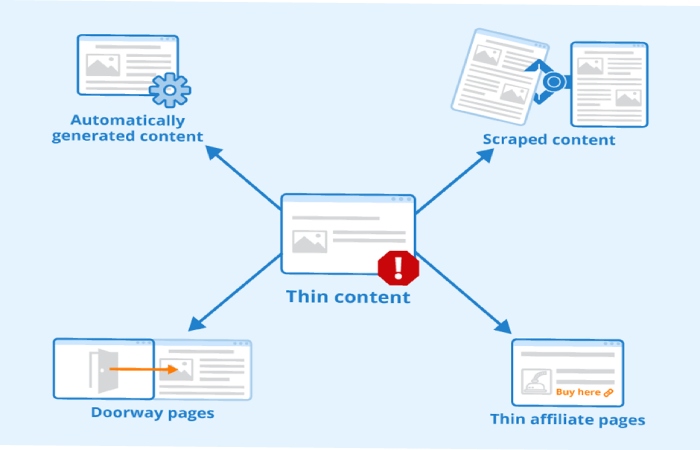
Data (2026 Model)
High-Quality SEO Content
| Month | Stability |
| 1 | 15 |
| 3 | 40 |
| 6 | 70 |
| 9 | 90 |
| 12 | 97 |
Thin / Generic Content
| Month | Stability |
| 1 | 30 |
| 3 | 55 |
| 6 | 35 |
| 9 | 18 |
| 12 | 8 |
Core Elements of High-Performing SEO Content
1. Clear intent alignment
Every page should answer one primary intent.
Trying to satisfy multiple intents in one article confuses both users and Google.
2. Strategic internal linking
Internal links:
- Help Google understand topic relationships
- Pass authority
- Improve crawl efficiency
Strong SEO content always supports link building strategies by creating link-worthy assets.
3. Freshness and updates
Content freshness matters more in:
- Competitive niches
- Rapidly changing topics
- Strategy-driven content
Updating content often works better than publishing new posts.
SEO Content for Traffic vs SEO Content for Conversions
Traffic-focused content:
- Informational
- Early funnel
- Awareness driven
Conversion-focused content:
- Commercial
- Comparison-oriented
- Decision driven
A strong content strategy includes both — in the right proportions.
Common SEO Content Mistakes (Avoid These)
Avoid:
- Writing for keywords instead of people
- Publishing isolated articles
- Ignoring internal links
- Overusing AI without human editing
- Not updating old content
These mistakes don’t trigger penalties — they just quietly kill rankings.
How SEO Content Fits Into the Bigger SEO Picture
SEO content connects:
- Keyword strategy
- Internal linking
- Off-page authority
- Conversion funnels
Without strong content, off page SEO strategies and backlinks lose effectiveness.
FAQs About SEO Content
What makes content “SEO content”?
Clear intent, structured keywords, internal linking, and real usefulness.
How often should SEO content be updated?
At least once every 6–12 months for competitive pages.
Does AI content rank in 2026?
Yes — but only when edited, original, and experience-driven.
Final Thoughts: Content Is the Real SEO Advantage
Algorithms change.
Shortcuts fail.
High-quality SEO content keeps winning.
If you want rankings that last, invest in content that actually deserves to rank — not content created just to exist